
Automated Google Ads campaigns often generate low-quality leads because the Google Ads algorithm optimizes for form submissions rather than business revenue.
When left without human guardrails, Google’s AI prioritizes high-volume, low-intent signals from junk networks to meet its conversion goals.
To fix this, you must shift your focus from Cost Per Lead (CPL) to actual Cost Per Acquisition (CPA) and Lead Quality.
Google Ads Algorithm Knows Google, But It Doesn’t Know Your Business
Google’s machine learning is a powerful tool for navigating its own massive ecosystem, but it lacks the fundamental essence of your business.
The Google Ads algorithm has one primary objective: to find the “path of least resistance” to fulfill the conversion goal you have set.
If your goal is a “lead” (a form fill), the algorithm will find users most likely to submit a form. Unfortunately, the people most willing to fill out forms are often not your best customers. They are frequently:
- Bot accounts and automated scrapers.
- Job seekers looking for employment rather than services.
- Users interested in products or services you do not actually provide.
- Low-intent browsers who have no authority to make a purchase.
Google Ads algorithm knows which buttons people click, but it does not know who your “Ideal Customer Profile” (ICP) is unless you strictly define it.
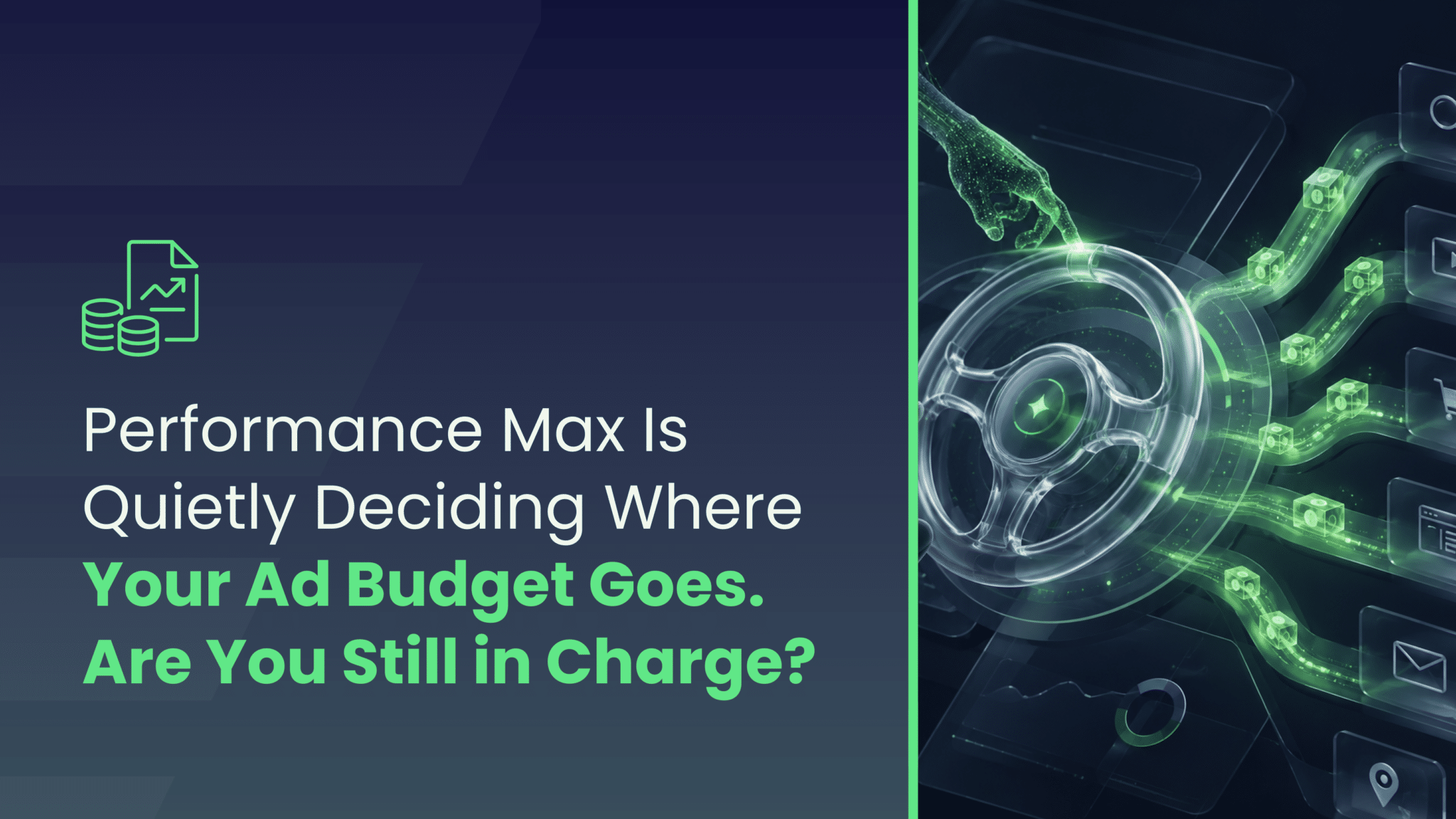
Without your specific business input, you are essentially handing the keys to a driver who knows how the car works but has no idea where you want to go.
The Feedback Loop of Doom: Why “More Data” Can Kill Your ROI
When a business leader notices that lead quality is dropping, the standard “expert” advice is often to give the algorithm more time or more data to “learn.” In reality, this often triggers a Feedback Loop of Doom.
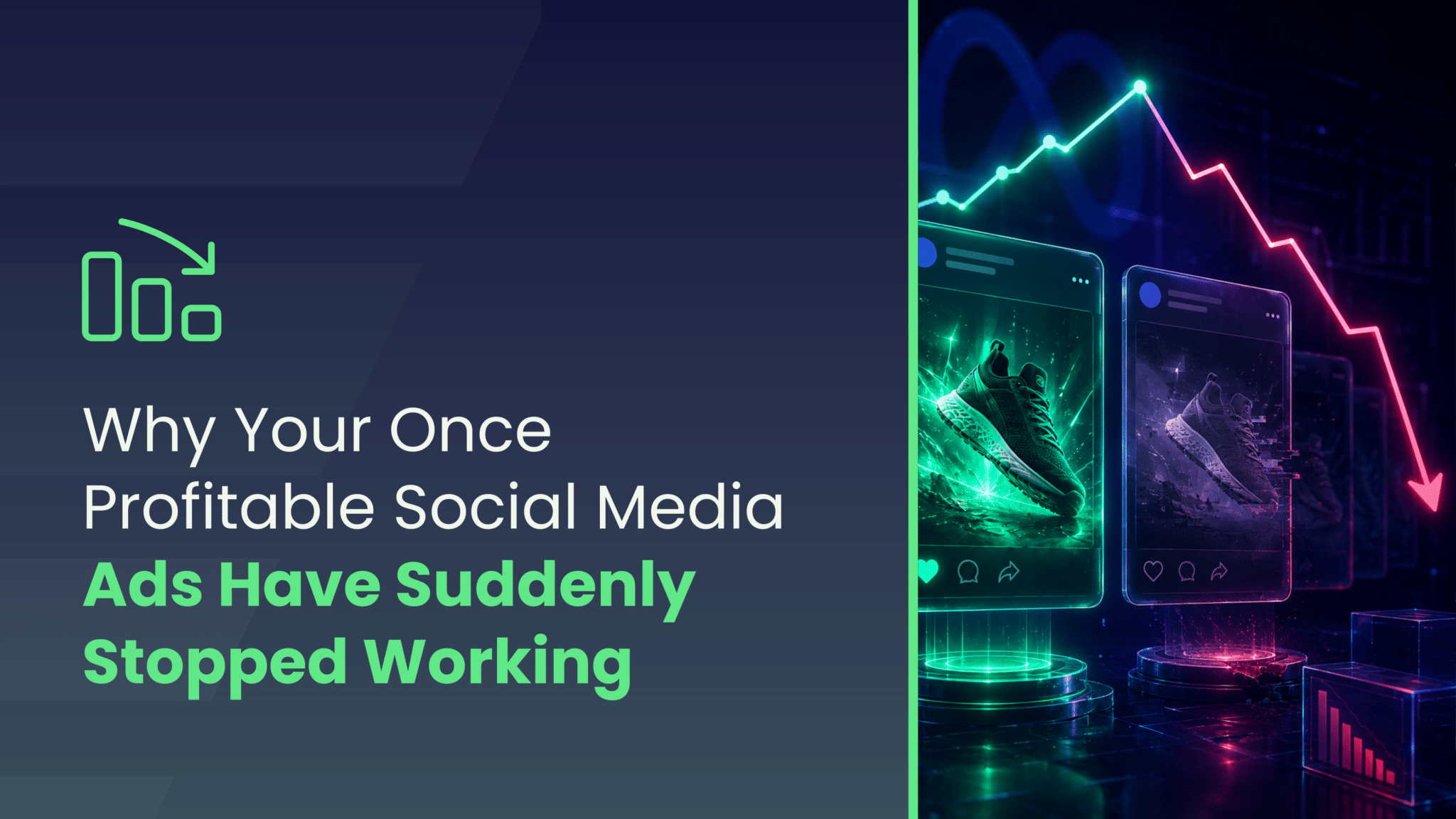
If you feed the algorithm a steady stream of low-quality leads and mark those as “successes” in the Google Ads dashboard, the AI assumes it is doing a great job.
It will then double down, hunting for more profiles that look exactly like those low-quality leads. Being selective about the data you share is not just a technical preference: it is a crucial survival step.
The Hidden Dangers of “Auto-Applied Recommendations”
Google’s interface is designed to push users toward total automation. However, for a business owner, many of these “recommendations” are silent profit killers.
| Recommendation Type | What Google Says | The Reality for Your Business |
| Broad Match Keywords | “Reach more people with relevant searches.” | Opens the floodgates to irrelevant terms and wasted spend. |
| Auto-applied Keywords | “We found new terms to grow your volume.” | Adds terms you likely intentionally excluded or that have zero intent. |
| Optimized Targeting | “Find new audiences beyond your selection.” | Ignores your specific targeting to find “cheap” leads anywhere. |
Broad match keywords are particularly dangerous. While they offer more volume, they often capture users searching for your industry in a non-buying context. You might pay less per click, but your total Return on Ad Spend (ROAS) will plummet because you are paying for the “wrong” attention.
Non-Negotiable Human Guardrails
To prevent the Google Ads algorithm from running your advertising into the ground, you must implement specific human levers. These ensure the AI works for you, not against you.
- Strict Keyword Sets: Prioritize Phrase and Exact match types. You may pay more per click, but you are ensuring every dollar is spent on a user with high intent.
- Aggressive Negative Keyword Lists: You must proactively tell Google where you do not want to show up. This prevents your ads from appearing on “jobs,” “free,” or “cheap” related queries.
- CRM Integration: Instead of just tracking a form fill, sync your CRM data back to Google. This tells the algorithm which leads actually turned into a discovery call or a high-value sale.
- Lead Scoring: Implement a filtering layer on your landing pages (like a qualifying question) to ensure only high-value prospects trigger a “conversion” signal.
Shifting the North Star: From Cost Per Lead to Cost Per Acquisition
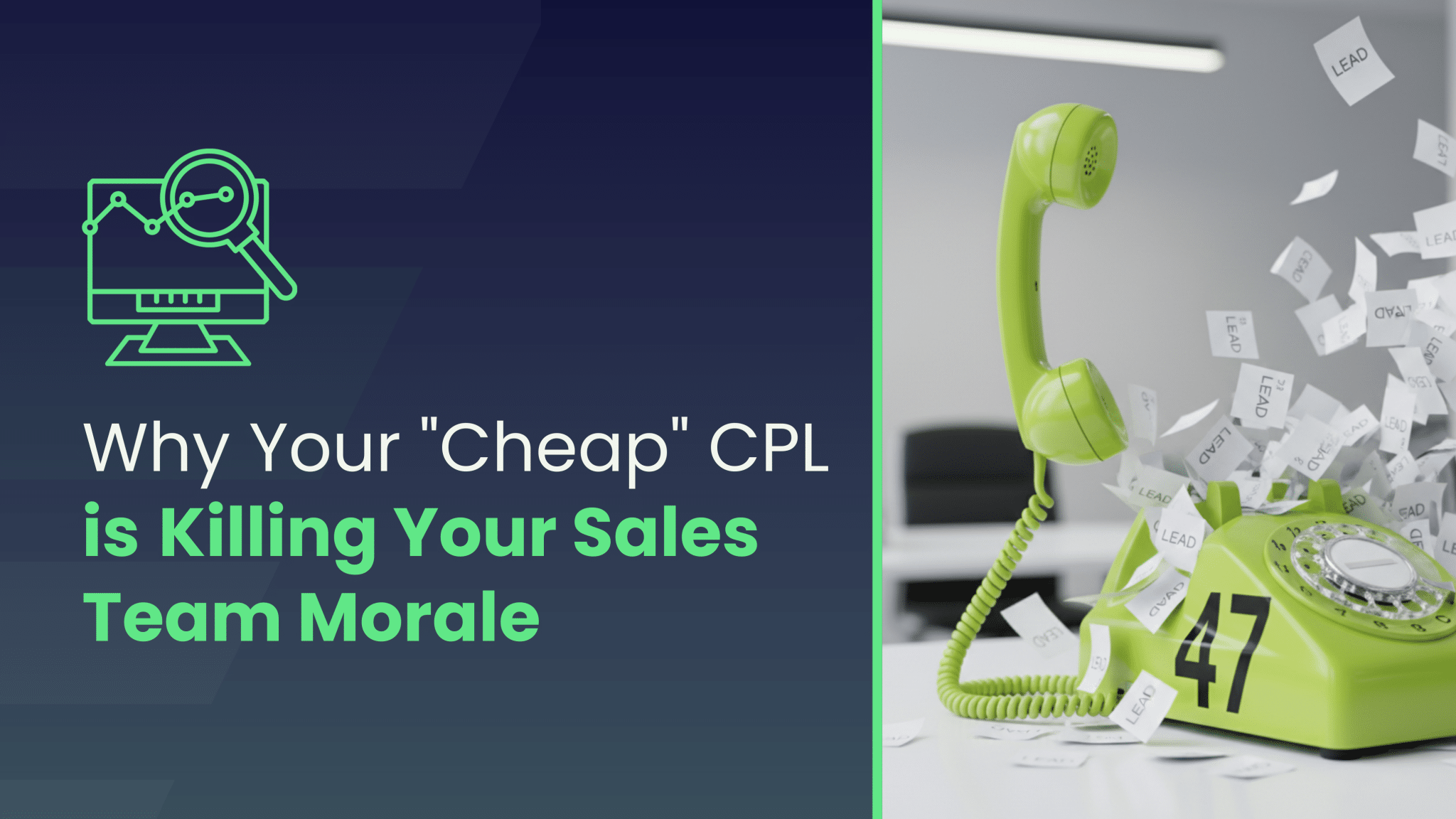
For a CEO or business leader, the most dangerous metric to obsess over is Cost Per Lead (CPL). A low CPL looks excellent on a weekly report, but it is a vanity metric if those leads never close.
The true “North Star” is the Cost Per Acquisition (CPA) and the Lifetime Value (LTV) of the clients generated.
High-quality leads usually come at a higher CPL because you are competing for the most relevant and profitable keywords in the auction. However, your cost per actual client will improve significantly because your sales team isn’t wasting time chasing “ghost” leads.
The Strategic Blind Spot
Most of your competitors are likely clicking “Accept” on every automated recommendation Google offers. They are participating in the volume game, filling their CRMs with junk and wondering why their revenue is stagnant.
By reclaiming control over your keyword strategy and being “ruthlessly selective” with the data you feed the algorithm, you create a massive competitive advantage. You aren’t just buying clicks: you are buying a pipeline of genuine business opportunities.
The Google Ads algorithm is a tool, not a strategy. Use Google Ads AI optimization for bidding efficiency, but provide the human touch and unique business knowledge required to make it work for your bottom line.
Self Diagnosis: Your Algorithm Guardrails
Are you commanding the machine, or is the machine spending your budget on autopilot? Use these five questions to determine if your Google Ads strategy has the necessary human oversight.
5 Quick Questions:
-
- 🗹
Do you have strict human oversight in place to review and reject Google’s “Auto-Applied Recommendations” before they quietly waste your budget?
- 🗹
Are you utilizing aggressive Negative Keyword lists to prevent Google’s “Broad Match” algorithm from spending your money on irrelevant, low-intent searches?
- 🗹
Do you actively feed “Closed-Won” CRM data back into Google to train the algorithm on actual revenue, rather than letting it optimize purely for top-of-funnel clicks?
- 🗹
Is your digital marketing team acting as a strategic “guardrail” against the algorithm, rather than just flipping the switch to total automation?
- 🗹Does your boardroom evaluate ad performance based on Cost Per Acquisition (CPA) and ROAS, rather than being distracted by the algorithm’s promise of a cheaper Cost Per Lead (CPL)?
- 🗹
The Verdict:
- 4–5 “Yes” answers: You operate a Human-Guided Machine. You are successfully leveraging the power of AI while maintaining the strict financial boundaries required to protect your B2B pipeline and maximize gross profit.
- 0–3 “Yes” answers: You are caught in the Automation Trap. By letting the algorithm run on autopilot without human guardrails, you are likely suffering from the “Feedback Loop of Doom”—paying Google to aggressively hunt for cheap, low-intent window shoppers who will never buy.