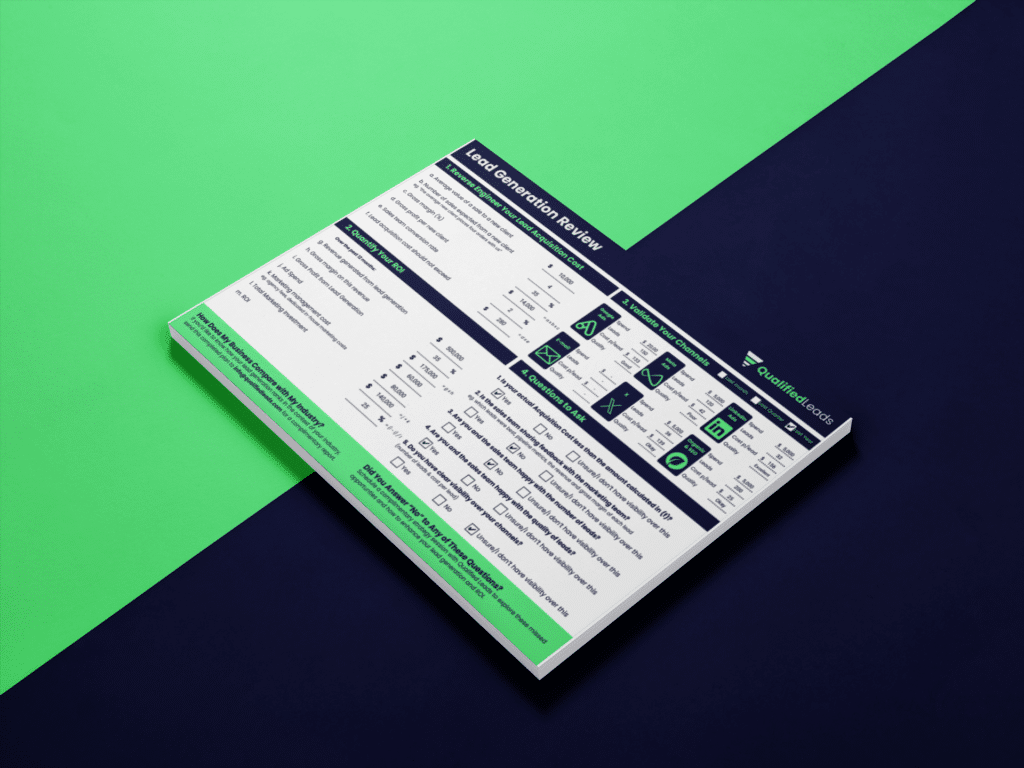

To make a high-converting lead magnet in B2B marketing, you must transition from providing passive information to offering a functional, diagnostic tool. In an era of AI-driven abundance, B2B leaders no longer value “insider access” to data: they value precision, utility, and the immediate application of expertise. As a designer, I view this not just as a marketing shift, but as a UX imperative. We are moving from “Reading” to “Interacting.”
The Death of the Gated PDF: A Design Failure
For a decade, the “Free PDF” was the undisputed king of lead generation. The psychology was simple: information was the currency. If you held the data, you held the power. Providing a white paper or an industry report felt like opening a gate to a restricted library.
In 2026, that gate has been demolished. Information is now infinite and instantly accessible via AI. When a frustrated business leader encounters a “15-Page Guide to Digital Transformation,” they do not see value: they see a reading assignment. From a design perspective, a PDF is a static, linear, and “silent” format. It demands everything from the reader and gives nothing back until the final page is turned. The psychological shift has moved from a desire to be educated to a desperate need to be equipped.
The Shift: “Educate Me” vs. “Equip Me”
Modern B2B buyers are suffering from cognitive overload. They are not looking for more things to know: they are looking for better ways to do. The “Value Gap” occurs the moment a prospect realizes that your lead magnet requires them to do the heavy lifting of interpretation.
An Essential Tool differs from a Resource through its interactive architecture:
- The Resource (Static UX): A 20-page document titled “The 2026 Guide to Cloud Security Costs.” This is a passive experience that likely ends up in a “to-read” folder that is never opened.
- The Essential Tool (Active UX): An interactive “Cloud Leakage Calculator” that identifies exactly where a deployment is overspending in 5 minutes.
Designers are the bridge here. We take your “Expert Opinion” and turn it into a Functional Interface. This moves the prospect from passive curiosity to active participation. It transforms your expertise into a functional asset that the leader can use to justify a decision or highlight a blind spot to their board.
Designing the Flow of Self-Discovery
The most effective B2B tools are not just calculators: they are carefully designed Self-Discovery Flows. As a designer, my task is to architect a journey where the user uncovers their own inefficiencies through a series of intentional interactions.
Instead of presenting a conclusion, we design the prompts and inputs that guide the user to reach that conclusion themselves. Each step in the UI is a milestone in their realization of a problem. When a user navigates a well-designed diagnostic flow, they aren’t just giving us data: they are witnessing the gaps in their own strategy in real-time. This transition from “being told” to “discovering” is the highest form of psychological conversion.
The Friction Paradox: Why Effort Drives Conversion
There is a common misconception in digital marketing that all friction is “bad.” While this may be true for low-ticket B2C e-commerce, it is a strategic error in high-ticket B2B services.
In the enterprise world, low friction signals low value. If a lead magnet is “one-click,” it implies that the insight provided is generic (something intended for the masses). However, when you ask a CTO or a Head of Operations to input real deployment data or answer deep strategic questions, you are utilizing Effort Justification.
When a leader invests 5 to 7 minutes into a diagnostic tool, they are engaging in a creative act of self-discovery. By the time they reach the result, they are:
- Mentally Committing: The act of gathering data to input into your tool requires a level of focus that a PDF download never will.
- Engaging Deeply: They are interacting with your logic and your methodology in real-time.
- Creating Ownership: Because the output of the tool is based on their specific data, the result feels personal. It is no longer “the agency’s opinion”: it is “my company’s reality.”
High friction filters for intent. It tells the user that this experience is for serious operators, not casual browsers. In high-ticket B2B, you are not looking for the highest volume of downloads: you are looking for the highest level of psychological commitment.
The Architecture of Trust: Design as an Expert Signal
In B2B marketing, the UI/UX of your lead magnet is the “packaging” of your expertise. A brilliant diagnostic framework delivered via a clunky, outdated web form will feel amateur. Conversely, a sleek, intuitive interface reinforces the idea that your solution is modern, efficient, and professional.
Design is the silent ambassador of your brand. If you are asking a leader to provide sensitive data or spend significant time, the interface must look like it belongs in an enterprise environment. Precision in design suggests precision in thought. If your tool feels unrefined or dated, the user will treat the results with skepticism. My role as a designer is to ensure the Visual Authority of the tool matches the Intellectual Authority of the solution.
Moving Forward: From Content to Capability
To stay competitive, you must evaluate your current lead generation assets through the lens of utility. If your primary offer is still a static document, you are likely losing the attention of the very leaders you are trying to reach.
The goal is to stop being a teacher and start being an architect. Build the tools that allow your prospects to discover their own problems. Once they have used your tool to identify a gap in their strategy, they will not need a sales pitch to understand why they need your help. The tool has already done the heavy lifting through superior UX and a guided path to self-discovery.
Self Diagnosis: Your Lead Magnet Utility
In an era of AI-driven information abundance, the “Gated PDF” is a design failure. Use these five questions to determine if your lead magnet is a high-value tool or just another “reading assignment” for your prospects.
5 Quick Questions:
-
- 🗹
Does your lead magnet provide a specific, personalized result within 5 minutes, or does it demand 20 minutes of reading before the user finds value? - 🗹
Does the tool require the user to input their own data (metrics, costs, or challenges), or are you just giving them a generic list of your own opinions? - 🗹
Does the experience allow the prospect to discover a “gap” in their own strategy, or are you just telling them that they have a problem? - 🗹
Does the user interface look like it belongs in a modern enterprise environment, or is it a clunky web form that undermines your professional credibility? - 🗹
Are you using “effort justification” to filter for high-intent leads, or are you chasing low-value, one-click downloads that never turn into conversations?
- 🗹
The Verdict:
- 4–5 “Yes” answers: You are an Architect. You are building “Capability” into your marketing and likely have the highest trust in your niche.
- 0–3 “Yes” answers: You are a Teacher. You are providing “passive info” in an active world. You are likely suffering from high download volumes but low sales-qualified conversions.