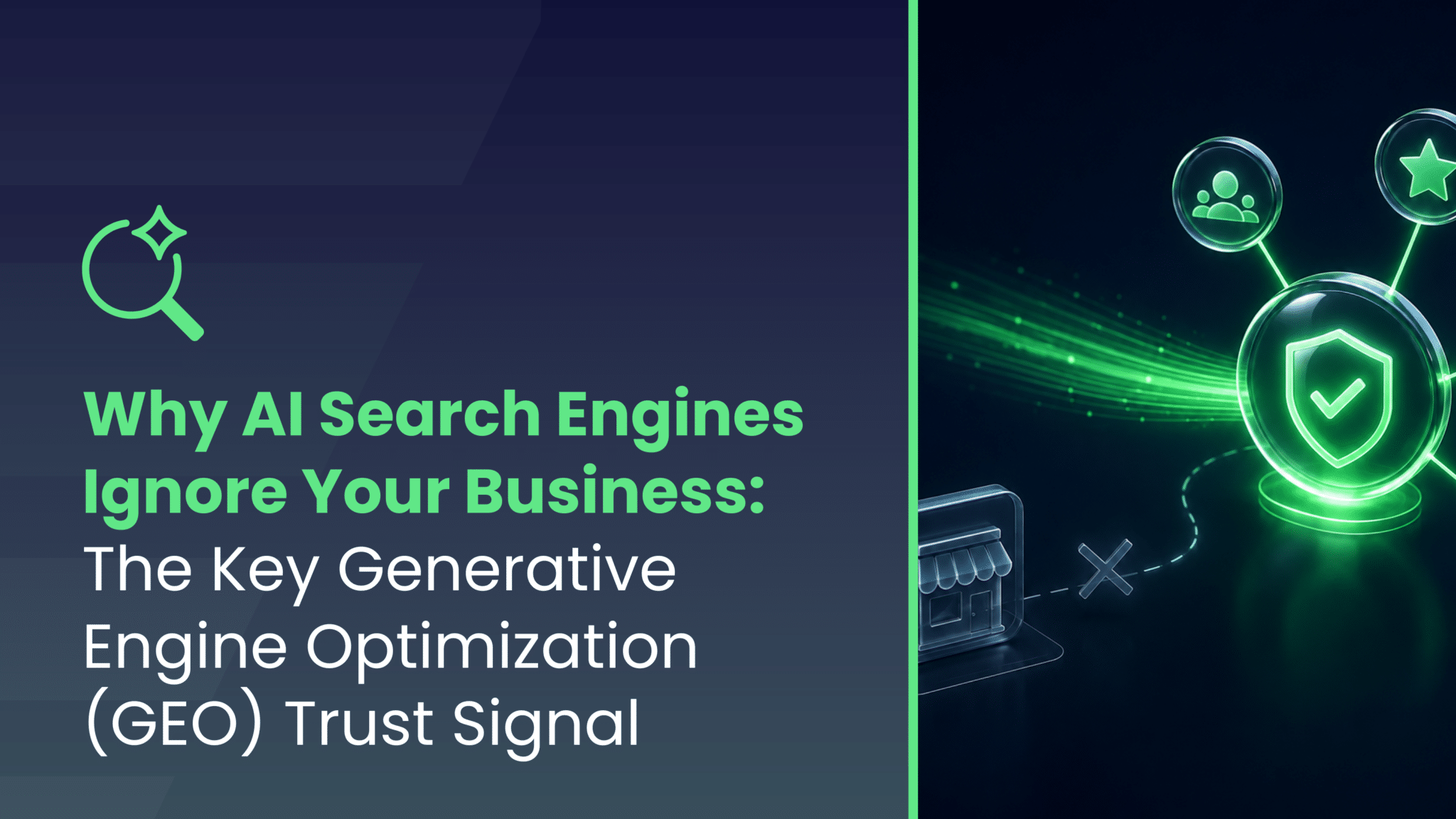

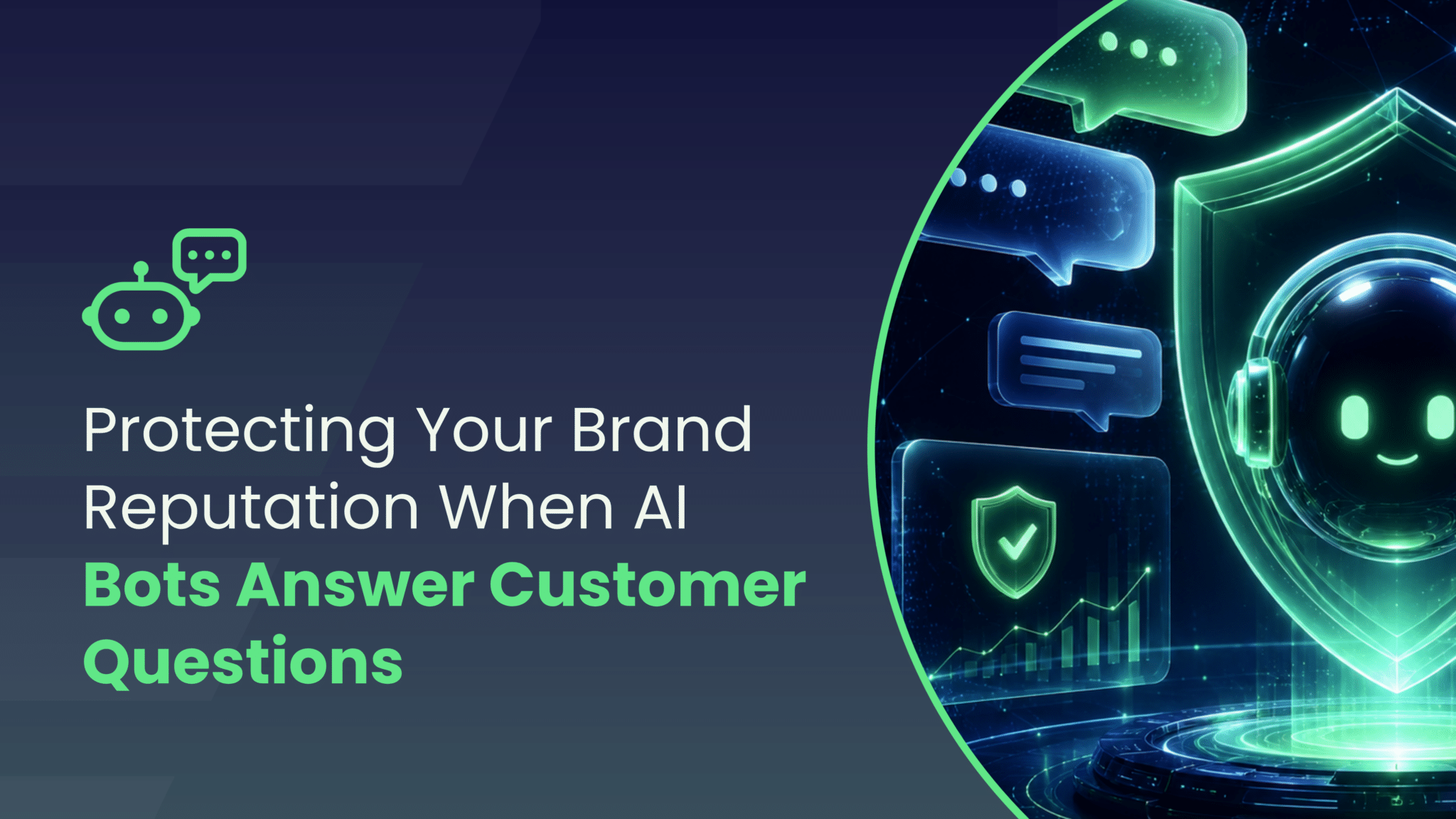
Businesses can ensure AI tools give accurate information about their services by keeping every public source, their website, Google Business Profile, directories, and press mentions, aligned around the same facts, then publishing dedicated pages that directly answer the exact questions buyers are already asking AI assistants. Structured data helps AI Bots find that information faster. It cannot fix the problem on its own.
Most business leaders assume AI chatbots are pulling from their website. They are not. ChatGPT, Perplexity, and Google’s AI Overviews build their answers by weighing multiple sources against each other and deciding which ones look most trustworthy. When those sources disagree, the AI has to guess. Sometimes it guesses wrong, and your business is the one that pays for it.
Why AI Bots Get Basic Facts Wrong
The biggest failure mode is not one bad piece of content. It is information inconsistency spread across the web.
The most common causes, in order of frequency:
- Conflicting information across sources. Your website says one thing, your Google Business Profile says another, and a three-year-old press release mentions a service you no longer offer.
- Outdated first-party content. Pricing pages from 2023, legacy blog posts that still rank, old brochures still sitting in a PDF somewhere.
- Weak content architecture. No FAQ pages, no pages built around specific buyer questions, and important facts buried in the middle of a paragraph instead of stated plainly.
- Missing structured data. Incomplete schema markup makes it harder for AI systems to confirm what is actually true.
Here is the part most businesses miss: AI is not making things up out of thin air. It is trying to reconcile conflicting evidence, and it does not always pick the right source. Adding schema markup will not help if five other public sources are actively contradicting it.
Why This Is a Bigger Risk Than It Looks
Gartner’s research into AI-powered search puts a number on just how shaky consumer trust already is. A Gartner survey found that 53 percent of consumers say they do not trust the reliability of AI-generated search and summary results. (Source below.)
That distrust cuts both ways. Buyers are primed to double-check what an AI tool tells them, which is good news if your information is accurate. It is bad news if it is not, because an inaccurate answer does not sit quietly in the background. It becomes the thing a skeptical buyer goes looking to confirm, usually right before deciding whether to take your call.
The Boardroom Risk Nobody Is Tracking
Picture a private equity analyst evaluating a software company ahead of an acquisition. They ask an AI tool what industries the company specializes in. The answer comes back: healthcare and education. That was accurate three years ago. Today, 80 percent of revenue comes from manufacturing and logistics.
The analyst walks into due diligence with the wrong mental model. The company gets benchmarked against the wrong competitors, revenue assumptions skew, and confidence in leadership drops the moment the real numbers contradict what the AI reported.
The same pattern plays out in ordinary sales conversations. A procurement manager asks an AI tool whether a vendor serves their region or integrates with their CRM. If the answer is wrong, your sales team spends the first ten minutes of every call correcting a false impression instead of building trust. Worse, some prospects never book the call at all, because the AI already told them your business was not a fit. That deal never shows up in your CRM, which makes the problem invisible to traditional sales reporting.
| Where It Shows Up | What the AI Gets Wrong | Business Consequence |
| Investor due diligence | Outdated industry focus or revenue mix | Wrong comparisons, eroded confidence |
| Sales discovery | Service area, pricing model, integrations | Reps overcome misinformation instead of selling |
| Early research | Whether you are even a fit for the buyer | Deal lost before a meeting is ever booked |
How to Actually Influence What AI Tools Say About You
Businesses cannot directly control what ChatGPT or Google’s AI Overviews say. They can absolutely influence what those AI tools are inclined to trust.
Own your authoritative information. Make your website the definitive source for pricing approach, service areas, industries served, leadership, and certifications. Every important fact deserves its own page, not a mention buried inside marketing copy.
Keep third-party sources aligned. AI systems regularly pull from Google Business Profile, LinkedIn, Crunchbase, review platforms, and partner pages. If those disagree with your website, you have handed the AI a coin to flip.
Use structured data as an amplifier, not a fix. Schema markup helps AI systems confirm organization details, services, and locations faster. It will not convince a model to ignore five conflicting sources.
Publish pages that answer buyer questions directly. This is the highest-leverage move almost nobody makes. Most company websites describe themselves rather than answering the specific questions a buyer is asking an AI tool, questions like “how much does this cost” or “who is this best suited for.” Pages built around those exact questions become the sources AI systems can confidently quote.
The Monthly Check Most Businesses Skip
Most businesses have never checked what AI tools say about them. It takes less than an hour to find out.
Run these prompts across ChatGPT, Perplexity, Google AI Overview, and Gemini:
- “What does [Company] do?”
- “Who is [Company] best for?”
- “How much does [Company] cost?”
- “What are alternatives to [Company]?”
- “Where does [Company] operate?”
Document the factual errors, the missing services, and which sources each tool cites. A monthly review is enough for most businesses; fast-moving categories should check weekly. The goal is not perfection. It is catching a wrong answer before a hundred prospects hear it.
The Blind Spot Separating Leaders From Everyone Else
The gap between top-tier companies and mid-market businesses here has nothing to do with better AI access. It comes down to whether anyone is actively managing the knowledge ecosystem at all.
Leading organizations treat AI visibility the way they already treat SEO. They maintain one consistent entity across every authoritative source, update outdated pages instead of leaving contradictions live, and monitor AI responses with the same discipline they apply to search rankings.
Mid-market businesses tend to focus almost entirely on their homepage and a handful of service pages, then stop. The result is fragmented information that AI has to stitch together on its own, and it will not always stitch it together in your favor.
Self Diagnosis: Is Your Business AI-Accurate?
Use these five questions to find out where you actually stand.
5 Quick Questions:
-
- 🗹
Have you checked what ChatGPT, Perplexity, and Google’s AI Overview currently say about your business in the last 30 days? - 🗹
Does your website have dedicated pages answering the exact questions buyers ask, rather than folding those answers into generic marketing copy?
- 🗹
Do your Google Business Profile, LinkedIn page, and industry directory listings match your website exactly?
- 🗹Have you removed or updated outdated pricing pages, old brochures, and legacy blog posts that no longer reflect your business?
- 🗹Does your structured data (schema markup) accurately describe your current services, locations, and offerings?
- 🗹
The Verdict:
- 4 to 5 “yes” answers: You are actively managing your AI visibility. Your information is consistent enough that AI tools are more likely to represent you accurately, which means buyers are forming the right impression before they ever reach your website.
- 0 to 3 “yes” answers: You are exposed. Conflicting or outdated information across the web means AI tools are filling in gaps with guesses, and some of those guesses are actively costing you deals you will never see in your pipeline reports.